
This post may contain affiliate links, which means I may earn a small commission if you make a purchase through them — at no extra cost to you.
Why Love Sometimes Feels So Complicated
Have you ever felt like you’re giving so much in a relationship, but it still doesn’t seem to land with your partner, your kids, or even your friends? You’re doing the laundry, cooking the meals, saying “I love you” a million times, but somehow it feels like your efforts are invisible.
I’ve been there. As a mama, I pour into my family daily — but I’ve learned the hard way that the way I express love isn’t always the way they receive it. That’s where the idea of love languages comes in.
Dr. Gary Chapman’s concept of the Five Love Languages has been around for decades, but it’s still changing relationships today. At its core, the idea is simple: everyone has different ways they feel loved. If we learn how our loved ones receive love (and communicate our own needs), we can transform our relationships.
Today, let’s dive into the five love languages, what they look like in everyday life, and how you can start applying them with your partner, kids, friends — and even yourself.
The 5 Love Languages Explained
1. Words of Affirmation
Some people feel most loved when they hear kind, affirming words. It’s not about flattery — it’s about being seen, validated, and appreciated.
In real life:
- Telling your partner, “I’m so proud of how hard you work for our family.”
- Encouraging your child after a tough school day: “I saw how brave you were today, and I’m so proud of you.”
- Sending your best friend a random text: “Hey, I love having you in my life.”
✨ If this is your love language (or your partner’s), try keeping tools around that make affirmations part of your daily routine. One of my favorites is a deck of 52 Mindful Affirmation Cards for Love and Relationships — they’re simple prompts you can pull each day to spark uplifting words for yourself or your partner.
2. Acts of Service
For others, love is in the doing. When someone takes action to make their life easier, that’s when they feel cared for.
In real life:
- A husband filling up the car with gas without being asked.
- A mama prepping lunches the night before, so mornings aren’t chaos.
- A friend dropping off soup when you’re sick.
✨ Acts of Service is often about the little (or big) things that take stress off someone’s plate. For some people, nothing says “I love you” like a clean kitchen or an errand done without asking.
That’s why practical tools can double as love gestures. Something like Meal Prep Containers can make it easier to cook ahead and take care of your family. Or, if chores are always a battle, a Robot Vacuum can feel like the ultimate act of love — less cleaning, more free time together.
3. Receiving Gifts
This one often gets misunderstood. It’s not about materialism — it’s about thoughtfulness. People with this love language see physical tokens of love as reminders of care and connection.
In real life:
- A partner bringing home their spouse’s favorite snack “just because.”
- A child giving you a flower they picked from the yard.
- Buying your friend a book you know they’ll love.
✨ If this is your love language, little surprises mean the world. A simple gift like Cute Jewelry, a calming Candle Set, or a Thoughtful Gift Box can go a long way in saying, “I see you, and I was thinking of you.”



4. Quality Time
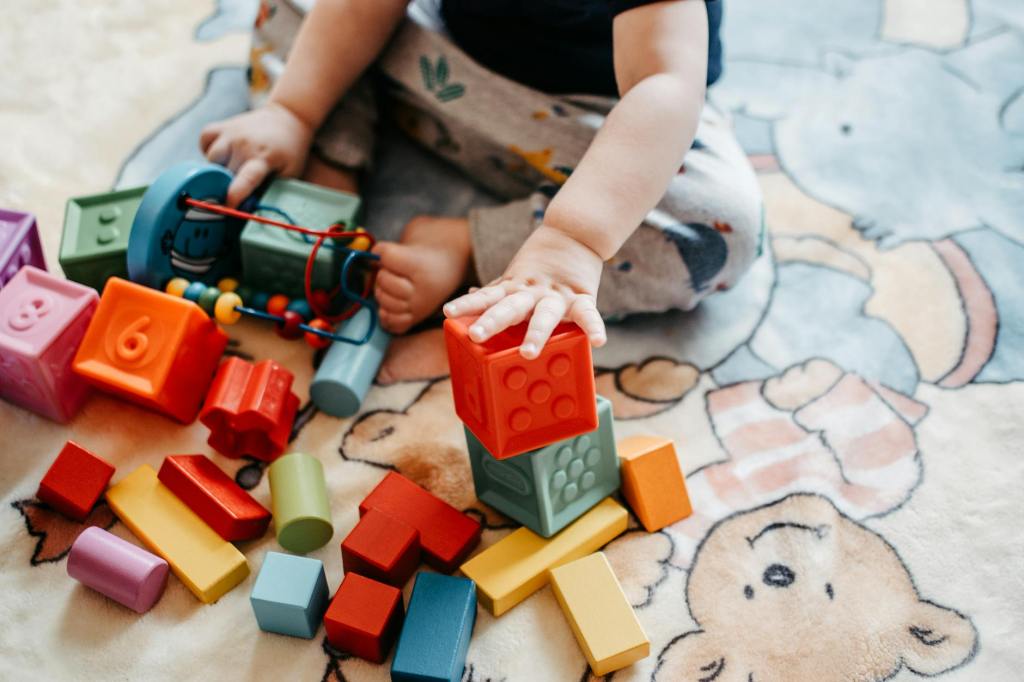
This love language is about presence. Not just being in the same room, but being fully engaged with each other.
In real life:
- Putting away the phones and sitting on the porch together after the kids are in bed.
- Scheduling a family game night once a week.
- Taking your friend out for coffee and actually listening without distractions.
✨ If Quality Time is your love language, it doesn’t have to mean extravagant dates or big trips. Even simple, intentional moments matter. Try adding in something fun like a Couples Conversation Card Game to spark deeper talks with your partner, or a Family Game Night Board Game to laugh and connect with your kids.

5. Physical Touch
For many, love is felt most through touch — a hug, holding hands, a gentle pat on the back. Physical affection creates safety and closeness.
In real life:
- Greeting your partner with a hug instead of a distracted wave.
- Snuggling your kids before bed.
- Giving your friend a hug when they’re having a rough day.
✨ If Physical Touch is your love language, small gestures of affection can mean everything. Whether it’s cuddling on the couch after a long day or giving your partner a gentle shoulder rub, touch builds comfort and security. Little extras like a Cozy Weighted Blanket for snuggling or a Massage Oil Kit for relaxation can make those moments of closeness even more special.

How to Discover Your Own Love Language
You might already know your love language just by reading these descriptions. But if not, here are some simple ways to figure it out:
- Notice what hurts the most. Do you feel crushed when your partner forgets to say “I love you”? Or does it sting more when they don’t help out with chores?
- Look at what you ask for. Are you constantly asking for hugs, or do you ask for more quality time together?
- Take the quiz. There’s a free Love Languages quiz online that can give you clarity.
✨ One simple way to uncover your love language is by journaling about what makes you feel most cared for. Reflecting on past relationships, daily moments, and even the times you’ve felt overlooked can give you powerful insight. A Self-Discovery Journal is a great tool for this — it guides you to notice your patterns, your needs, and the little things that make your heart light up.
How to Recognize Your Partner’s Love Language
Sometimes our partners don’t know their love language, but their actions will tell you:
- If they’re always giving compliments → Words of Affirmation might be theirs.
- If they do chores without being asked → Acts of Service could be their love language.
- If they love surprising you with little gifts → Receiving Gifts is probably it.
- If they constantly want to hang out or talk → Quality Time.
- If they reach for your hand or love hugs → Physical Touch.
💡 The key is to observe, not assume. Often, we give love in the way we want to receive it, but that’s not always what our partner needs.

Common Misunderstandings with Love Languages
- “My way is the right way.” → Just because you value one language doesn’t mean your partner does.
- Thinking it’s one-and-done. → Love languages can shift during different life seasons. A new mom might suddenly need Acts of Service more than Quality Time.
- Using it as an excuse. → Love languages should guide connection, not limit it.
Love Languages in Different Relationships
In Marriage/Partnerships
Knowing each other’s love languages can prevent so many fights rooted in feeling unseen. If your partner needs Acts of Service, but you keep showering them with gifts, they might not feel loved even though you’re trying hard.
In Parenting
Kids have love languages too! Some kids light up when you praise them (Words of Affirmation), while others want to cuddle on the couch (Physical Touch). Learning this early can build stronger bonds.
✨ Kids thrive when their unique love language is spoken consistently. Some light up when you praise them, while others crave extra cuddles or one-on-one playtime. To help make this easier, tools like Kids’ Affirmation Cards can boost their confidence with positive words, or a Family Journal can give everyone a chance to share their thoughts and feelings together. Both encourage connection in ways kids understand best.

In Friendships
Friends often drift because they don’t feel appreciated. A simple check-in text (Words of Affirmation) or coffee date (Quality Time) can go a long way.
In Self-Love
You can practice your own love language, too! Buy yourself flowers (Receiving Gifts), or schedule solo quiet time (Quality Time).
✨ Don’t forget — love languages apply to how you treat yourself, too. If your love language is Acts of Service, maybe that looks like meal prepping for your future self. If it’s Receiving Gifts, you might brighten your own day with something small and thoughtful. And if it’s all about comfort, a Self-Care Kit or a relaxing Spa-at-Home Set can be the perfect way to show yourself the love you so freely give to everyone else.
Practical Tips: How to Apply Love Languages Every Day
Here are a few simple swaps you can make:
- Instead of saying “I’ll do it later,” try doing one small task for your partner right away (Acts of Service).
- Instead of scrolling TikTok while your kid talks, put the phone down and make eye contact (Quality Time).
- Instead of just saying “thanks,” add why you’re thankful (Words of Affirmation).
- Instead of waiting for Valentine’s Day, surprise them with a small gift “just because” (Receiving Gifts).
- Instead of a quick goodbye, add a 10-second hug before you leave (Physical Touch).
Love That Lasts
Love languages aren’t about labeling or overthinking — they’re about making intentional choices to connect in ways that matter. When you take the time to understand how your partner, your kids, and even your friends receive love, everything shifts. Misunderstandings fade, connection deepens, and love feels easier.
So here’s your challenge this week: Pick one person in your life and try to love them in their language. Watch how they respond — it might just change everything. 💖
Don’t Miss Out 💌
Sign up for my newsletter and get every new post delivered straight to your inbox. You’ll also be the first to hear about exclusive offers, new digital products, and mama-friendly finds I love to share. I promise—you’ll love being part of this little circle of encouragement and growth.





 Mama's Daily Guide
Leave a comment